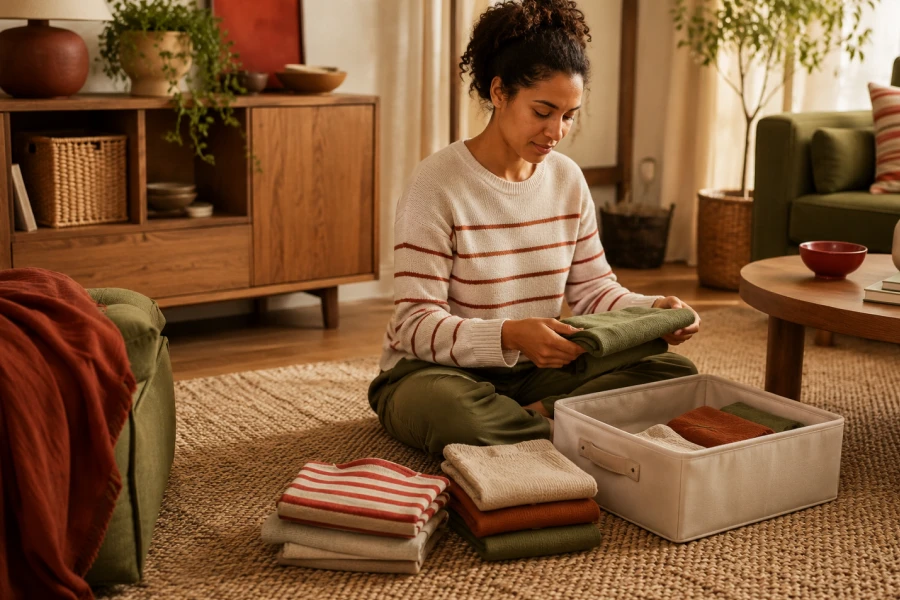
Minimalism can sound intimidating when it is presented as empty rooms and strict rules. Minimalist home planning works better when it focuses on clarity, comfort, and personal usefulness. The goal is not to own the fewest items. The goal is to reduce what distracts, overwhelms, or blocks daily life. A home can still feel warm. It can still include color, texture, collections, and personality. Planning simply helps every item earn its place. When that happens, rooms feel calmer without losing character.
Purpose makes minimalism more humane. Before removing items, ask what the room needs to do. A bedroom may need rest and storage. A kitchen may need efficient cooking. A living room may need relaxation and conversation. A simple home planning framework helps connect each room with its real function. Once purpose is clear, decisions become easier. Items that support the room stay. Items that create friction need a better answer.
Letting go can feel difficult because objects carry stories. Some items represent money spent. Others represent hope, guilt, or unfinished plans. Regret decreases when decisions are thoughtful. Start with low-emotion categories. Remove obvious duplicates. Set aside items that have clear donation value. Use a maybe box carefully. Give yourself time for sentimental pieces. The process should feel respectful, not rushed. When people trust the decision method, they release more confidently and keep what truly supports their life.
Busy homes need systems that survive real movement. Shoes need entry storage. Bags need landing zones. Papers need a clear path. Laundry needs reachable baskets. Toys need easy categories. A stress-free organization system can help simplify these daily pressure points. The best minimalism reduces friction. It does not demand constant tidying. It gives items obvious homes. When people know where things go, rooms recover faster after normal use.
Style does not disappear when clutter decreases. In fact, favorite pieces often stand out more. A beautiful lamp feels stronger on a clear table. A textured blanket looks better in a calm room. Art gains presence when surfaces are not crowded. Minimalism can highlight taste rather than erase it. Choose fewer pieces with more intention. Let open space become part of the design. Keep practical items attractive when possible. A room can feel both edited and deeply personal.
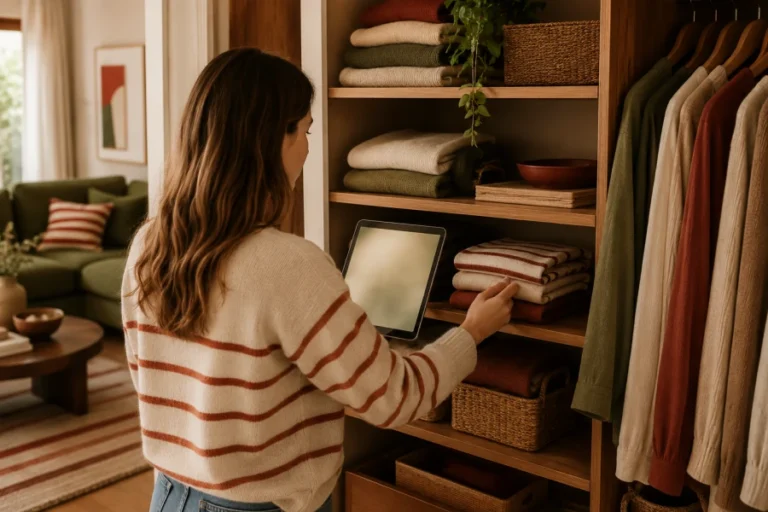
Planning tools should simplify decisions, not create another project. Use them to list rooms. Use them to set priorities. Use them to estimate time. Use them to create reminders. Avoid over-documenting every object unless that truly helps. Pair technology with realistic decluttering steps so action remains the focus. A tool is useful only when it moves the home forward. The best system gives clarity, then gets out of the way.
Breathing space is the real reward. Surfaces become easier to clean. Closets become easier to use. Rooms feel quieter. Mornings move faster. Shopping becomes more intentional. The AI-supported home reset resource helps make that reward repeatable. Minimalism does not need to be extreme to be effective. It simply needs to remove enough friction for the home to feel supportive again.


Leave a comment