
A greener lifestyle becomes more appealing when it makes daily life easier. Sustainable living at home is not about following every trend or replacing everything overnight. It is about making better choices with the space, money, and routines you already have. Small improvements can reduce waste. Better planning can save resources. More intentional shopping can calm clutter. The home becomes a place where values show up quietly. Every habit should feel usable. When sustainability supports comfort, people are far more likely to keep going.
Waste reduction is one of the clearest starting points. Food waste can shrink through planning. Packaging waste can decrease through smarter shopping. Textile waste can drop when people repair, donate, or repurpose items. Disposable products can be replaced slowly. The low-waste household method helps make these changes manageable. Instead of trying to overhaul the home, start with one repeated problem. Fix that first. Then move to the next. Progress becomes visible and motivating.
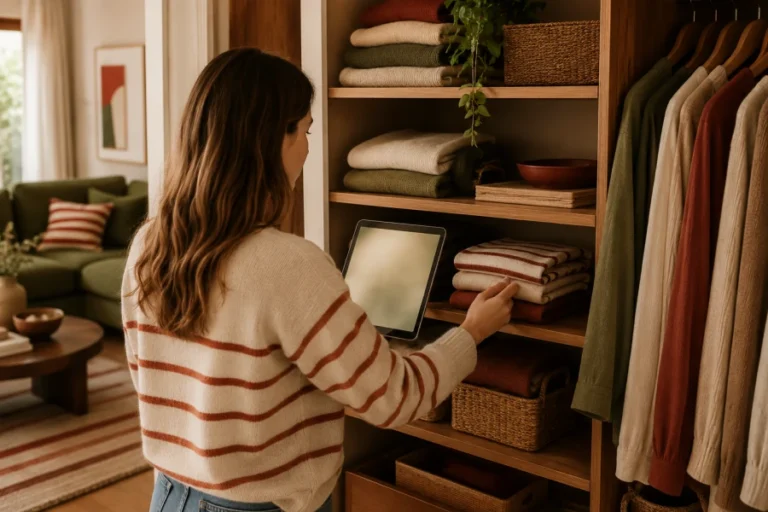
Shopping habits shape a home more than people realize. Every purchase brings packaging, storage needs, and future maintenance. Buying less can sometimes be the greenest choice. Buying better can also help. Choose durable items when possible. Avoid duplicates. Read care instructions before purchasing textiles. Consider whether a product solves a real problem. Waiting before buying can prevent regret. These habits create a more peaceful home. They also reduce clutter. A sustainable household often feels calmer because fewer unnecessary things compete for space.
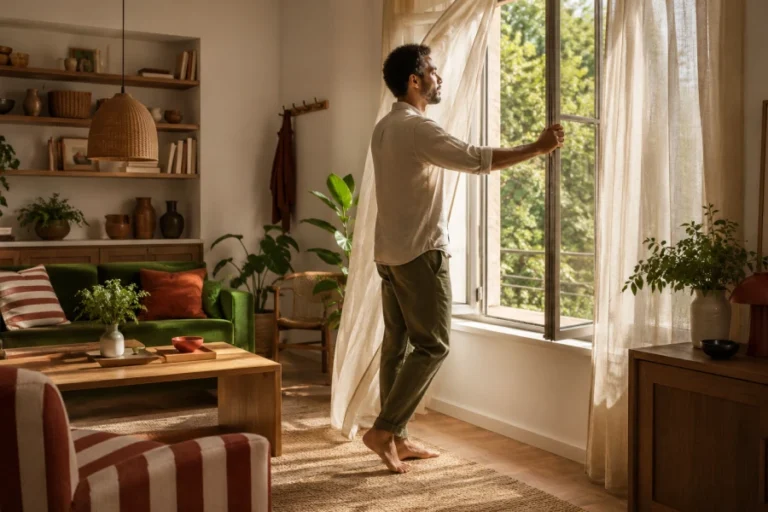
Energy awareness does not have to feel technical. Turning off unused lights helps. Washing full loads helps. Using natural light helps. Adjusting thermostats thoughtfully helps. Sealing drafts can improve comfort. Maintaining appliances can support efficiency. The energy-smart home routine makes these choices easier to track. The goal is not constant monitoring. The goal is awareness that becomes automatic. Once habits settle, resource savings happen in the background with less effort.
Family routines need cooperation, not lectures. Children can learn by sorting recycling. Partners can share simple responsibilities. Guests can follow visible systems. Meal planning can involve everyone. Donation boxes can become normal. Repair days can feel satisfying. The best routines are easy to understand. They do not rely on one person remembering everything. A greener home becomes stronger when the system is shared. People participate more when the benefits are obvious, practical, and connected to daily comfort.
Sustainability should not make a home feel deprived. Soft lighting still matters. Cozy textiles still matter. Beauty still matters. The difference is in choosing carefully. Use what you own with more intention. Refresh rooms by rearranging rather than buying. Choose washable fabrics. Select timeless pieces. Repair sentimental items. Pair this thinking with everyday greener habits for a lifestyle that feels balanced. A sustainable home can still feel stylish, welcoming, and deeply personal.
Slow change usually lasts longer. Quick overhauls create pressure. Gradual improvements create confidence. Replace products when they run out. Improve storage one cabinet at a time. Review energy use seasonally. Build waste reduction into normal routines. The practical green home resource supports this steady approach. You do not need a flawless household to make meaningful progress. You only need repeatable choices that make home life healthier, simpler, and more responsible.


Leave a comment